
If you’ve ever frozen when trying to speak another language, you’re not alone. Here’s why it happens – and how confidence grows one conversation at a time.
One of the things I hear most often from new learners is, “I’m terrified of speaking.” It’s rarely the grammar or the vocabulary that worries people most. More often, it’s the thought of actually saying something in another language, especially in front of other people. If you’ve ever felt like that, I promise you’re not alone.
Recently, I found myself in a situation where I had to stand up and give a presentation in front of a room full of people. As I started talking, I felt my mouth go dry, my breathing become shallow and my voice didn’t quite sound like my own. I knew exactly what I wanted to say, but my body had decided something very different was happening.
It reminded me of something I often tell our learners. Our brains don’t always know the difference between real danger and simply doing something that feels uncomfortable. Whether you’re standing up to speak in front of a room full of people, chatting to someone you’ve just met or trying out your Spanish for the first time on holiday, your brain can react as though you’re being chased by a lion. Your body goes into survival mode. Your breathing changes, your throat tightens and suddenly all the words you knew a moment ago seem to disappear. The more you notice it happening, the more nervous you become, and before long you’re caught in a cycle that’s hard to break.
The good news is that there’s nothing wrong with you and it isn’t anything to do with how good you are at languages. It’s simply how our brains are wired. Most of us don’t enjoy making mistakes in front of other people, especially as adults. Children seem to throw themselves into learning without worrying too much about getting things wrong, whereas adults often feel they should already know the answer before they even begin.
Perhaps that’s one of the reasons I’m so passionate about creating an environment where people feel safe to have a go. I’ve never believed that confidence comes from putting people on the spot or expecting them to perform. In my experience, confidence grows gradually, through small conversations, shared laughter and lots of opportunities to practise without feeling judged.
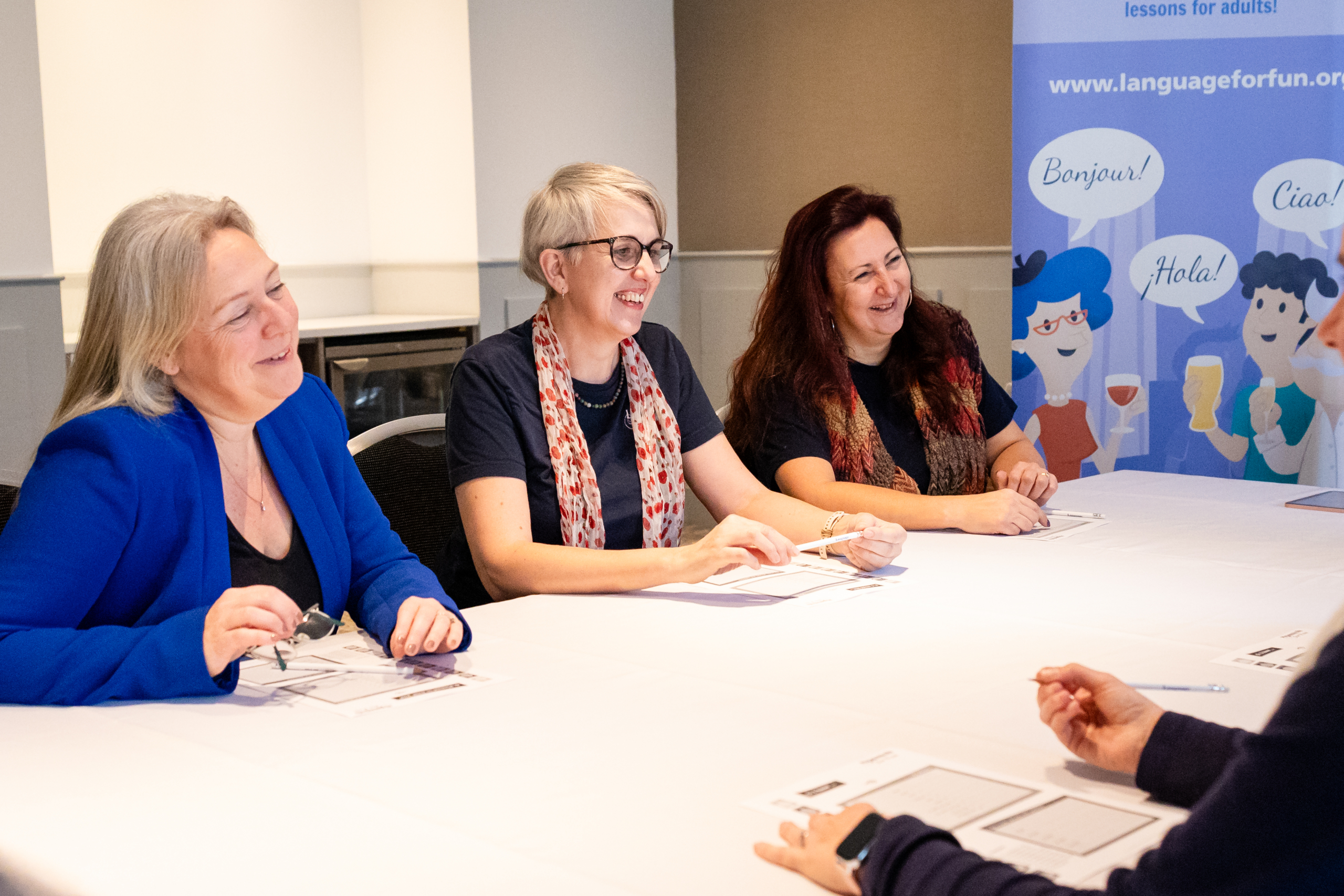
That’s why our lessons are designed the way they are. You don’t have to stand up and speak in front of the whole class if you don’t want to. Instead, you’ll spend time speaking in pairs, joining in together as a group and building your confidence one conversation at a time. Before long, you’re saying things that felt impossible only a few weeks earlier, and without really noticing it, you’re beginning to trust yourself.
People often assume confidence comes after fluency, but I think it’s the other way round. Confidence comes first and then you start to relax, so fluency follows. It grows from having the courage to keep trying, even when it feels a little uncomfortable.
One of my favourite moments is hearing learners tell me about the first conversation they’ve had on holiday, or the first time they’ve ordered a coffee, asked for directions or chatted to someone in another language without switching back to English. Those conversations may seem small, but they’re often the moments that make people realise just how far they’ve come.
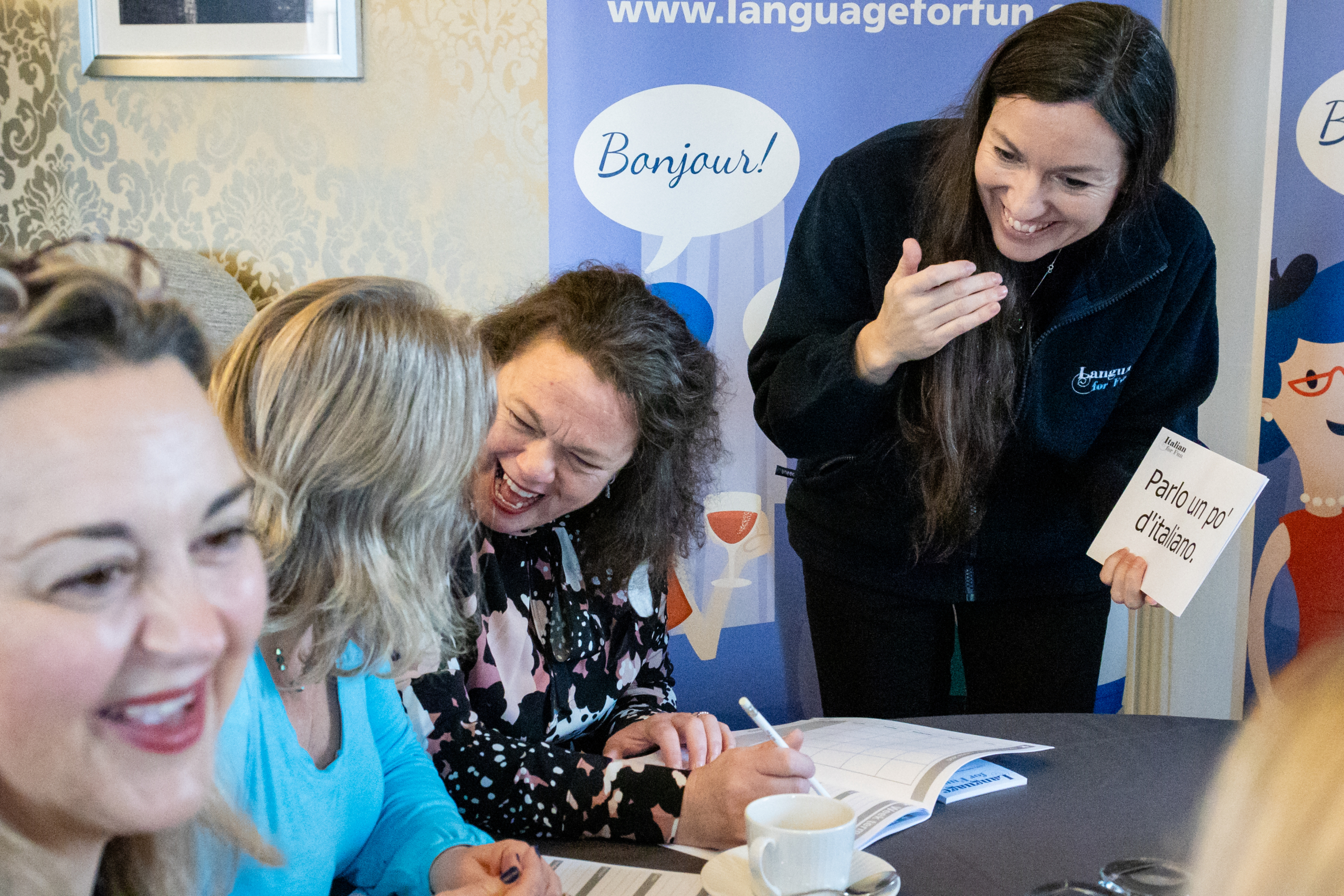
So if the thought of speaking another language still makes you nervous, please don’t let that put you off. There probably isn’t a lion waiting for you at all. It’s just your brain trying to protect you. And every time you speak, however imperfectly, you’re teaching it that there’s nothing to be afraid of. And one conversation at a time, you’ll discover you’re capable of far more than you thought.
If you’ve been waiting until you feel “confident enough” to start learning a language, perhaps now is the perfect time to begin. You might be surprised how quickly confidence grows when you’re learning in a friendly, supportive environment.